

What Are the Different Types of Codes and How Do They Work?
Modern car keys have unique chips that are specific to each vehicle, unlike older keys. This prevents thieves from simply taking the key and turning on the car.
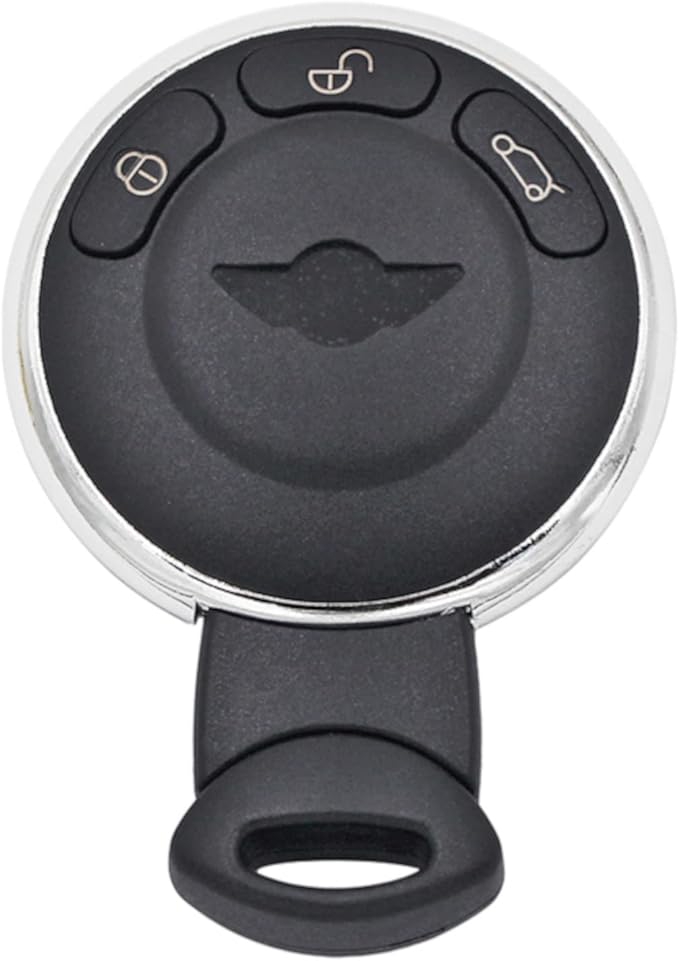
The keys are usually purchased from the dealership or copied by a locksmith. The process for programing the key is different for each manufacturer and involves turning the key to the off position without starting the engine, then removing it within a predetermined time period.
Transponder Codes
The name implies that transponders transmit an encoded signal containing a four-digit number code when it is questioned by air traffic control. This signal, referred to as a SQUAWK Code is used to identify aircraft on radar screens. It can also be used to relay specific messages to the air traffic control system in an emergency situation or to notify controllers of changing weather conditions. Squawk codes are frequently used to communicate with ATC in situations where pilots are unable to speak on the radio, and are crucial for safe flying.
Every aircraft is equipped with a transponder that responds to radar interrogation with an identifier code. This allows ATC to identify the aircraft on a busy radar screen. Transponders can be set to respond in a variety of ways when interrogated. Mode A is the only mode that transmits the code, while mode C also includes altitude information. Mode S transponders send more detailed information like callsigns and position. This can be helpful in airspace that is crowded.
Most aircraft have a small, beige box under the seat of the pilot. The transponder is a tiny beige-colored box that is used to transmit the SQUAWK code when air traffic control activates the aircraft. The transponder may be set to the 'ON, and 'ALT' or SBY (standby position) positions.
It's common to hear a pilot directed by air traffic control to "squawk ident". This is an instruction for pilots to press their transponder IDENT button. The ident button causes the aircraft to blink on ATC's radar screens, allowing the pilot to easily recognize your aircraft on the screen.
There are 63 discrete codes that can be assigned to aircraft, but there are also certain reserved codes that prohibit the use of a particular code in areas of high traffic or in emergencies. The codes are arranged using statistical analysis to limit the chances that two aircraft with the same SQUAWK codes will be in the same sector at the same time.
A transponder keys has an exclusive chip inside that contains the ID code. When a car's security light appears, it indicates that the ID code on the key isn't compatible with the code on the vehicle's computer. If this occurs, the immobilizer of the car will be disabled and it will not start until a different key is used. To prevent this from happening, Pop-A-Lock recommends that customers purchase only new transponder keys or get a professional locksmith such as ours cut them them.
PIN Codes
A PIN code is a set of numbers (usually 4 or 6 digits), which are used to gain access to the device, service, or system. For instance, a smartphone phone has a code that the user sets when they first buy the device. They must enter it every time they want to use it. PIN codes are also commonly used to safeguard ATM or transactions at POS,[1 secure access control (doors, computers, cars),[2] computer systems,[3and internet transactions.
While a longer PIN number might appear to be more secure, there are ways to hack or guess a PIN code that is as short as four digits. It is recommended that the PIN be at least six digits in length, using a mix of numbers and letters, to provide more security. Some OEMs also require PIN codes for the aftermarket key programmer, as a security measure, to prevent non-authorized persons from stealing data from modules.
VIN Numbers
VIN numbers are used to identify vehicles and provide the most extensive information about them. VIN numbers are unique to every vehicle on the planet and are not applicable to alien vehicles (or whatever). The 17 digits that make up a VIN code are made up of the combination of letters and numbers that can be decoded to reveal vital details about your car or truck.
Modern automobiles contain a tremendous amount of data about their history and specs and functions as digital libraries on the move. The key to unlocking this information is the VIN number. automotive key programming permits you to discover everything from if your vehicle was subject to recalls, to how many owners it has.
Each part of a VIN number consists of a distinct piece of information. The first digit identifies for instance, what kind of car it is, for instance as a pickup truck or SUV. The second number is the manufacturer. The third digit is the car's assembly division, while the fourth through eighth numbers describe the model type, restraint system type and body type as well as transmission and engine codes. The ninth number is the check digit which can prevent fraud by verifying that the VIN number hasn't been altered.
In North America, the 10th through 17th digits of the VIN code are referred to as the Vehicle Identification Section, or VIS. The tenth number indicates the year of manufacture, while the eleventh digit shows which assembly plant produced the vehicle. The tenth to seventeenth digits can also contain additional information, such as features or options included in the vehicle.
The last six digits of the VIN code are a unique serial number that uniquely identifies the vehicle or truck. The last digit of VIN code is also the check-digit. The rest of the numbers have been converted into numbers. The first digit is assigned an 8 and each subsequent digit increases in value by one until the seventh digit is nine, which becomes two. Then the whole VIN will be translated back to its original form by multiplying each weight by 11. If the result is equivalent to the check number, then the VIN is valid.
Data Transfer
Data transfer is the act of moving data from one location to another. The data can be transferred in a variety of ways including digital signals as well as traditional paper documents. Data transfers can also be made between various computer programs, which is what they are referred to as. A data transfer that is effective requires careful planning and consideration of the limitations of each program. It could be necessary to alter the data.
A key programmer tool typically allows a technician or even an average person to program a new transponder for their vehicle. Connecting the tool to the OBD II connector on the vehicle and then using it to retrieve programming data is a simple procedure. The tool will then change the transponder in order to match the code stored in the program which will enable the key to start and operate the vehicle.
During the transfer of data, all errors will be stored into an error stack. The stack can be retrieved for troubleshooting later. You can also set up the data transfer process to automatically restart load processes that fail the specified number of times. This error storage can be useful if you need to monitor an application that is targeted, and can help you avoid losing data that aren't reloaded successfully.
A data transfer process can copy data between persistent objects in SAP BW, such as a DataSource or the Persistent Staging Area (PSA). It can also perform delta transfer which only transfers the latest data to a destination. This is helpful for archiving data or sharing it between systems that aren't integrated.